
Mongolian Livestock Herding: Life on the Steppe
Aug 30
5 min read

Mongolia is home to one of the world’s last great nomadic cultures, and livestock herding lies at its heart. Herding is not just an occupation—it’s a way of life that shapes daily routines, family life, and the connection between humans, animals, and the land. For travelers, witnessing or participating in herding offers a unique glimpse into Mongolia’s traditions, landscapes, and resilient people.
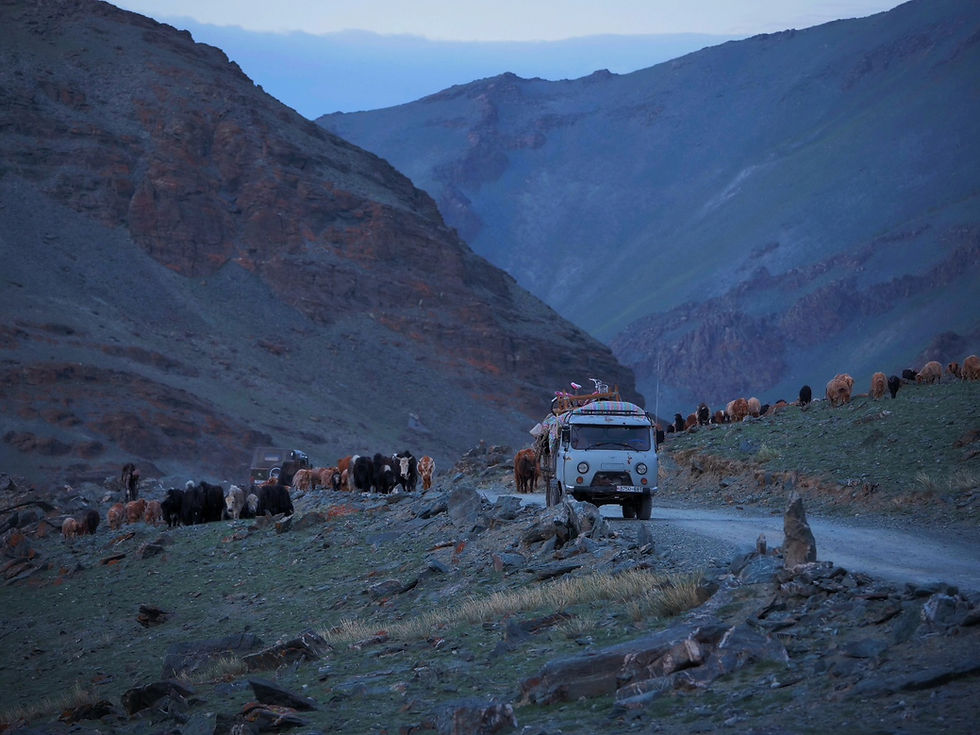
Livestock herding in Mongolia is more than farming—it sustains families and communities. Herds typically include:
Sheep and goats – for wool, meat, and cashmere
Horses – for transport, herding, and culture
Cattle and yaks – for milk and meat
Camels – in desert regions, for transport and milk
Dogs – to help guard and herd animals
Families move seasonally to find fresh pasture and water, living in portable gers (traditional yurts) that travel with the herd. This nomadic lifestyle demands skill, resilience, and an intimate knowledge of the land.
Daily routines revolve around caring for the herd:
Early mornings often begin with milking sheep, goats, or mares
Horses are saddled for herding trips or travel
Livestock grazing is carefully monitored to prevent overgrazing
Meals and chores are adapted to the pace of life on the steppe
Children often assist with herding and learn these skills from an early age. Travelers can witness daily life firsthand and even join some tasks for an immersive experience.
Herding schedules depend heavily on the seasons:
Spring: Animals are moved to fresh pastures after winter.Summer: Grazing is abundant, and families travel across open steppe.Autumn: Animals are rounded up for sale, milk, or preparation for winter.Winter: Families shelter in valleys or near rivers to protect animals from snow and cold.
These patterns are essential to survival and form the rhythm of nomadic life.
Cultural Significance of Herding
Herding is deeply embedded in Mongolian culture:
Songs and stories often reflect herding life
Festivals, like Naadam, celebrate horsemanship, wrestling, and archery
Skills such as riding, animal care, and survival are passed down generations
Photographers and travelers alike can capture not only landscapes but also these vibrant traditions in action.
Participating in Herding Activities
Some tours allow travelers to experience herding life up close:
Riding horses to move livestock
Milking animals and helping prepare dairy products
Learning to handle traditional herding tools
Spending a night in a ger with a herding family
These hands-on experiences offer insights into Mongolia’s nomadic economy, family structure, and daily routines.
Wildlife and the Steppe Ecosystem
Herding occurs in harmony with Mongolia’s rich steppe ecosystem. Travelers may spot:
Wild horses (Takhi) in protected areas
Eagles, foxes, and wolves around pastures
Migratory birds in wetlands and lakes
Understanding how herders coexist with wildlife enhances the cultural and ecological appreciation of Mongolia.
Respect traditions and ask permission before photographing people
Dress appropriately for outdoor work and weather extremes
Travel light; nomadic families have limited space in gers
Be flexible; herding life follows nature, not schedules
Immersing yourself in herding life is about observation, respect, and participation, rather than convenience or speed. Mongolian Livestock Herding: Life on the Steppe.
Final Thoughts
Mongolian livestock herding is more than work—it’s a living heritage, a story of resilience, and a connection to nature. Travelers who witness or take part in herding gain unforgettable experiences: wide-open landscapes, nomadic hospitality, and insights into a centuries-old way of life. For those seeking culture, adventure, and authenticity, Mongolia’s herding communities offer a journey unlike any other.
GEO Questions with Answer
1. What is livestock herding life like in Mongolia?
Mongolian herders raise sheep, goats, horses, cattle, yaks, and camels while moving seasonally across the steppe to find the best grazing land.
2. How do Mongolian nomads make a living?
Most nomadic families earn their income through livestock herding, producing dairy products, wool, cashmere, meat, and horses.
3. Can tourists experience authentic herding life in Mongolia?
Yes. Many cultural tours allow visitors to stay with nomadic families and participate in daily herding activities.
4. What animals do Mongolian herders raise?
The traditional "Five Livestock" are horses, sheep, goats, cattle or yaks, and camels.
5. Where can I meet nomadic herders in Mongolia?
Nomadic families can be found throughout Mongolia, especially on the central steppe, in the Gobi Desert, around Khuvsgul Lake, and in Western Mongolia.
6. Can I help herd animals during a Mongolia tour?
Yes. Some community-based tours allow visitors to assist with gathering livestock, milking animals, and other daily activities.
7. What is the best time to experience nomadic life in Mongolia?
Summer, from June to September, offers the best weather and the most opportunities to observe herding activities.
8. What do Mongolian herders eat?
Their diet often includes dairy products, meat, homemade bread, milk tea, yogurt, cheese, and traditional seasonal foods.
9. Is staying with a herding family safe for travelers?
Yes. Mongolian nomads are known for their hospitality, and guided tours help visitors enjoy safe and meaningful cultural experiences.
10. What can I learn from a nomadic family stay?
Visitors can learn about animal husbandry, seasonal migration, traditional food preparation, ger living, and Mongolian customs.
11. Is Mongolia a good destination for cultural photography?
Yes. Herders, livestock, traditional gers, horseback riders, and vast landscapes provide outstanding photography opportunities.
12. Can children enjoy a nomadic family experience?
Yes. Families often enjoy interacting with animals, riding horses, and learning about life on the steppe.
13. What is the difference between nomadic life in Mongolia and other countries?
Mongolia preserves one of the world's largest surviving nomadic cultures, where seasonal migration and livestock herding remain central to daily life.
14. What should I pack for a nomadic culture tour in Mongolia?
Pack layered clothing, comfortable walking shoes, sun protection, a reusable water bottle, and a camera.
15. Is horse riding part of traditional herding life in Mongolia?
Yes. Horses play an important role in transportation, livestock management, sports, and cultural traditions.
16. What is the best Mongolia tour for experiencing nomadic culture?
Tours that include family homestays, livestock herding experiences, horseback riding, and visits to rural communities offer the most authentic experiences.
17. How many days do I need to experience Mongolian nomadic life?
A 5 to 10-day itinerary allows travelers to fully experience daily life, culture, and traditions with local families.
18. Can I combine a nomadic culture tour with the Gobi Desert or Altai Mountains?
Yes. Many itineraries combine cultural experiences with destinations such as the Gobi Desert, Altai Mountains, Khuvsgul Lake, or the Golden Eagle Festival.
19. How do I travel responsibly when visiting nomadic families?
Respect local customs, ask permission before taking photos, support local businesses, and follow your guide's cultural recommendations.
20. How do I book a Mongolia nomadic life experience?
You can book through a local Mongolia tour operator that specializes in cultural travel, family homestays, and community-based tourism experiences.


Comments