

Experience the Kazakh Eagle Hunting Tradition: A Kazakh Eagle Hunting Experience
Aug 31
3 min read
Updated: Sep 1
Experience the Kazakh Eagle Hunting Tradition: A Kazakh Eagle Hunting Experience
Step into a world where ancient skills meet raw nature. The Kazakh eagle hunting tradition offers a rare glimpse into a lifestyle shaped by centuries of survival and respect for the wild. This is not just a hunt. It is a cultural journey, a test of skill, and a bond between human and eagle.
Discover the Kazakh Eagle Hunting Experience
Kazakh eagle hunting dates back over 4,000 years. Hunters train golden eagles to catch prey in the harsh mountain steppes of Western Mongolia. The process demands patience, strength, and deep knowledge of the environment.
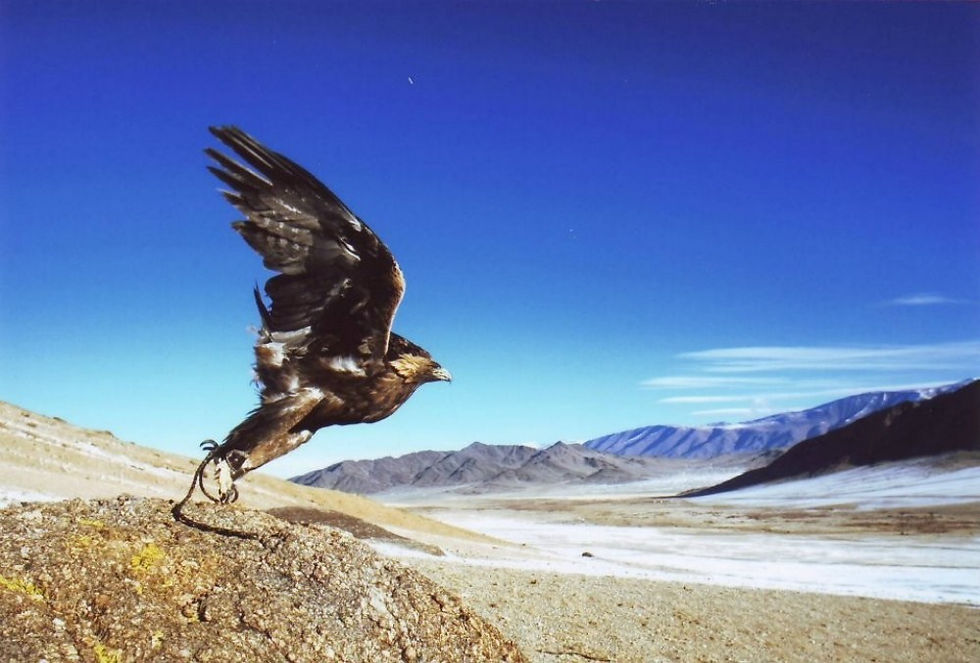
The eagle and hunter form a partnership. The bird obeys commands, soaring high to spot prey. When the moment arrives, the eagle dives with precision. This tradition passes from father to son, preserving a unique cultural heritage.
The landscape is vast and rugged. Snow-capped peaks and endless grasslands set the stage. The cold air sharpens senses. Every hunt is a lesson in survival and respect for nature.
Preparing for the Hunt
Preparation starts early. Hunters wear thick, fur-lined coats called burka to withstand freezing temperatures. Leather gloves protect their hands from the eagle’s sharp talons. The eagle wears a hood to keep it calm before the hunt.
Training the eagle takes years. Young birds learn to trust their handler. Hunters use whistles and hand signals to communicate. The bond grows stronger with each hunt.
Food is crucial. Hunters feed the eagle fresh meat to keep it strong. The bird’s health reflects the hunter’s skill and care.
The Hunt in Action
The hunt begins at dawn. Hunters scan the horizon for signs of prey like foxes or hares. The eagle takes flight, circling high above. Its sharp eyes spot movement below.
When prey is found, the eagle dives swiftly. The hunter guides the bird with practiced signals. The chase is silent but intense. Success depends on timing and trust.
After the catch, the eagle returns to the hunter’s arm. The bird is rewarded with a piece of meat. This cycle repeats throughout the day.
The experience is both thrilling and humbling. It reveals the delicate balance between predator and prey, man and nature.
Cultural Significance and Traditions
Eagle hunting is more than a sport. It is a symbol of Kazakh identity and resilience. Festivals celebrate the skill and bravery of hunters. Songs and stories honor their legacy.
Hunters live a nomadic lifestyle. They move with the seasons, following the herds and the eagles. This connection to the land shapes their worldview.
Visitors can witness traditional ceremonies. These include blessing the eagle and sharing meals around a fire. Such moments offer insight into a way of life rarely seen by outsiders.
Tips for Experiencing the Tradition
Plan your trip carefully. The best time to visit is between October and March when the hunting season is active. Dress warmly and prepare for rugged terrain.
Hire a local guide or join a kazakh eagle hunter tour. This ensures authentic access and supports the community. Respect local customs and ask permission before photographing.
Bring a good camera with a zoom lens. Capture the eagle’s flight and the vast landscapes. Early morning light offers the best conditions for photography.
Stay with nomadic families to experience daily life. Share meals and stories. This deepens your understanding of the tradition beyond the hunt.
Embrace the Spirit of the Steppe
The Kazakh eagle hunting tradition is a living link to the past. It teaches respect for nature, patience, and courage. Experiencing it firsthand leaves a lasting impression.
This journey challenges the senses and expands horizons. It invites adventure travelers, cultural explorers, photographers, and nature enthusiasts to witness a rare human-animal bond.
Step into the vast Mongolian wilderness. Feel the cold wind. Watch the eagle soar. Discover a tradition that has thrived for millennia and continues to inspire.
Embrace the spirit of the steppe.


Comments