

Explore the Trails of the Altai Mountains: altai mountain hiking routes
Jul 28
6 min read
Updated: Aug 11
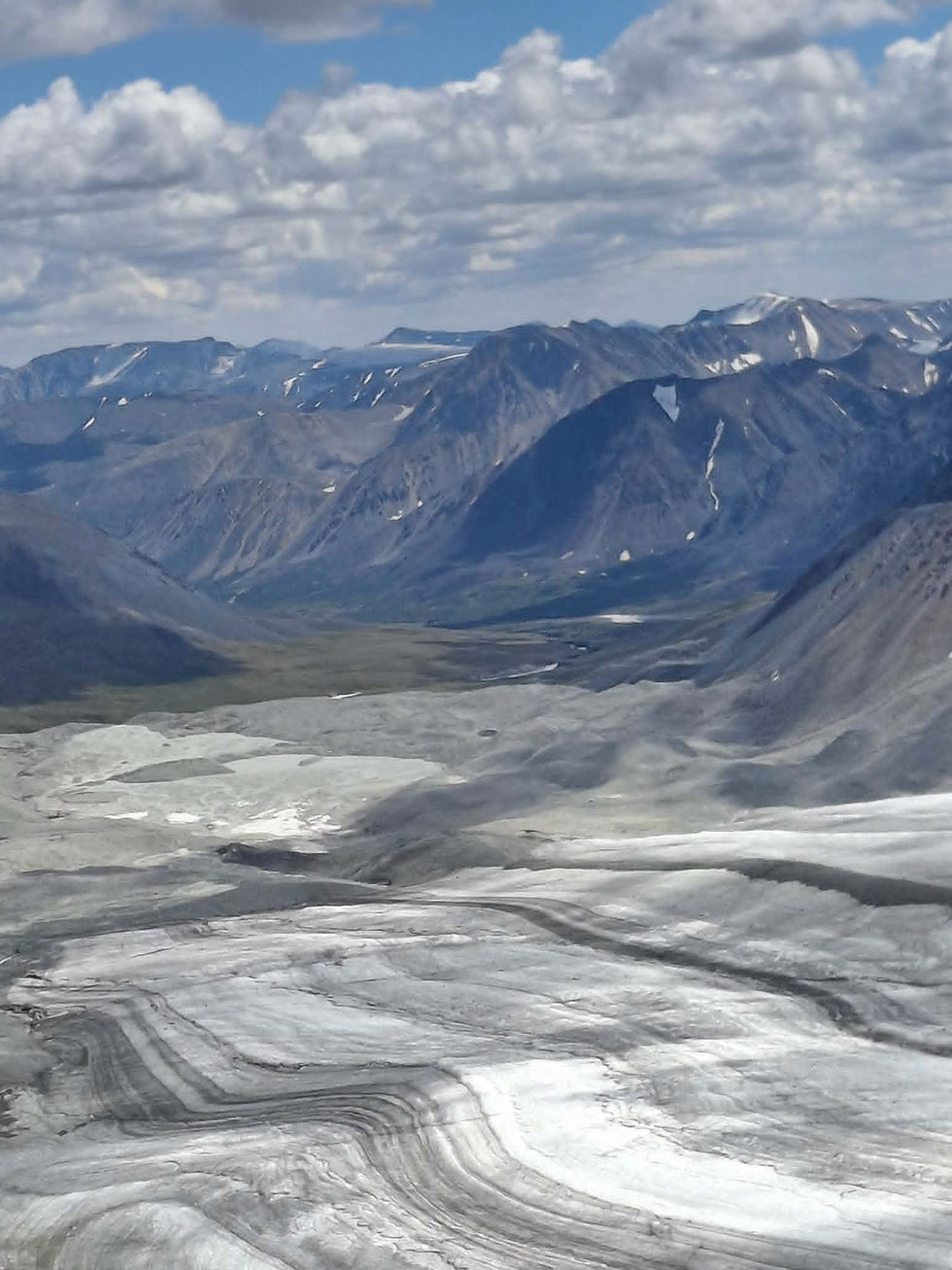
Explore the Trails of the Altai Mountains: altai mountain hiking routes
Step into a world where rugged peaks meet endless skies. The Altai Mountains offer raw beauty and thrilling challenges. Every trail reveals a new secret. Every step connects with ancient lands. This guide maps out the best altai mountain hiking routes for your next adventure.Explore the Trails of the Altai Mountains: altai mountain hiking routes.
Discover Top altai mountain hiking routes
Choose from a variety of trails. Each route suits different skill levels and interests. From short day hikes to multi-day treks, the Altai Mountains deliver.
Belukha Mountain Trail: The highest peak in Siberia. A tough climb with breathtaking views. Prepare for glaciers and rocky paths.
Katun River Valley: Gentle slopes and lush meadows. Ideal for beginners and photographers.
Ukok Plateau: Remote and mystical. Explore ancient burial mounds and untouched nature.
Chuya Steppe Route: Wide open spaces and wildflowers. Perfect for cultural exploration and wildlife spotting.
Plan your route based on season and weather. Summer offers mild temperatures and blooming flora. Winter trails require special gear and experience.
Essential Gear for altai mountain hiking routes
Pack light but smart. The Altai demands respect and preparation.
Footwear: Sturdy hiking boots with ankle support.
Clothing: Layered system - moisture-wicking base, insulating mid-layer, waterproof shell.
Navigation: GPS device, map, and compass.
Safety: First aid kit, whistle, and bear spray.
Camping: Lightweight tent, sleeping bag rated for cold, portable stove.
Food and Water: High-energy snacks, water purification tablets.
Test all gear before the trip. Weather changes fast. Trails can be slippery or rocky. Proper equipment ensures safety and comfort.
Navigating the Altai Mountains
Trail markers vary. Some paths are well-trodden; others require keen observation.
Follow cairns and painted blazes.
Use GPS coordinates from trusted sources.
Ask local guides for advice.
Avoid shortcuts to protect fragile ecosystems.
Respect wildlife and plants. Keep noise low. Carry out all trash. Leave no trace.
Cultural Highlights Along the Trails
The Altai Mountains are home to rich traditions. Encounter nomadic families and Kazakh Eagle Hunters. Experience their lifestyle firsthand.
Visit yurts and share meals.
Learn about eagle hunting techniques.
Attend local festivals if timing allows.
Purchase handmade crafts directly from artisans.
These interactions deepen the journey. They connect hikers to the land’s soul.
Tips for a Successful altai mountains hiking trip
Book permits and guides in advance. Some areas require official permission. Local guides enhance safety and cultural understanding.
Stay hydrated and pace yourself. Altitude can affect stamina. Take breaks often.
Capture moments but stay present. Use a camera with a zoom lens for wildlife. Respect privacy when photographing people.
Prepare for limited connectivity. Download maps and emergency contacts beforehand.
Embrace the Adventure
The Altai Mountains challenge and inspire. Trails test endurance and reward with stunning vistas. Every hike tells a story of nature and culture intertwined.
Plan your altai mountains hiking trip carefully. Equip yourself well. Stay curious and respectful.
Step onto the trail. Discover the wild heart of the Altai.
1. What are the best trekking routes in the Altai Mountains of Mongolia?
Answer: Some of the best trekking areas in Western Mongolia include Altai Tavan Bogd, Malchin Peak, White River Valley, Potanin Glacier, Khoton and Khurgan Lakes, and Baga Turgen Waterfall. Routes range from moderate hikes to demanding multi-day mountain treks.
2. What is the best time to hike in the Altai Mountains of Mongolia?
Answer: Summer is generally the most suitable season for trekking because mountain weather is more favorable and alpine landscapes are accessible. Weather can change quickly, so hikers should prepare for cold, wind, rain and changing trail conditions.
3. How difficult is hiking in Altai Tavan Bogd?
Answer: Difficulty depends on the route. Some valleys and lower-altitude trails are suitable for less experienced hikers, while routes involving Malchin Peak and remote mountain terrain require good fitness, acclimatization and preparation.
4. Can I climb Malchin Peak without technical climbing experience?
Answer: Malchin Peak is a popular trekking objective in Altai Tavan Bogd. It is generally approached as a trekking peak rather than a technical mountaineering climb, but hikers still need to be prepared for high altitude, rocky terrain and rapidly changing alpine weather.
5. How many days do I need for an Altai Tavan Bogd trekking tour?
Answer: A meaningful Altai Tavan Bogd experience usually requires several days because the region is remote and attractions such as the White River Valley, Potanin Glacier, Khoton and Khurgan Lakes and nomadic communities are spread across a large area. Vacations Mongolia currently offers Altai trekking and hiking itineraries ranging from approximately 6 to 9 days.
6. What should I pack for trekking in the Altai Mountains?
Answer: Bring sturdy hiking boots, layered clothing, a waterproof outer layer, warm insulation, navigation equipment, a first-aid kit, water purification supplies and appropriate camping equipment if camping independently. Weather can change rapidly in the mountains.
7. Can I combine Altai trekking with horseback riding in Mongolia?
Answer: Yes. Altai trekking can be combined with horseback riding to explore mountain valleys and remote areas. Horse trekking is also available as a dedicated experience in Bayan-Ölgii and Altai Tavan Bogd.
8. Where can I meet Kazakh eagle hunters in Mongolia?
Answer: Bayan-Ölgii in Western Mongolia is one of the best places to experience Kazakh eagle-hunting traditions. Travelers can visit local eagle-hunter families, learn about the relationship between hunters and golden eagles, and combine the cultural experience with Altai mountain adventures.
9. Can I stay with a nomadic family in Western Mongolia?
Answer: Yes. Travelers can arrange homestay-style experiences with Kazakh nomadic families, share traditional meals and learn about everyday pastoral life. Vacations Mongolia specifically offers nomadic-family experiences in Bayan-Ölgii.
10. What is the best Mongolia tour for combining mountains, nomadic culture and eagle hunting?
Answer: A Western Mongolia itinerary based around Altai Tavan Bogd is a strong option because it can combine trekking, horse riding, nomadic-family visits, Kazakh eagle hunting, glaciers, alpine lakes and ancient petroglyphs in one journey.
11. Is Western Mongolia good for wildlife and landscape photography?
Answer: Yes. Western Mongolia offers dramatic mountain landscapes, glaciers, alpine lakes, wildlife and traditional nomadic culture. The remote environment also provides strong opportunities for landscape, wildlife and cultural photography.
12. What can I see in Altai Tavan Bogd besides mountains?
Answer: Depending on the itinerary, travelers can see Potanin Glacier, White River Valley, Khoton and Khurgan Lakes, ancient petroglyphs, waterfalls, Kazakh nomadic families, eagle hunters and traditional pastoral landscapes.
13. Is Mongolia suitable for a family adventure holiday?
Answer: Yes, if the itinerary is matched to the family's fitness, age and comfort level. Families can choose easier mountain walks, ger or family stays, cultural experiences, horseback riding and 4×4 sightseeing instead of demanding high-altitude treks.
14. Is it better to explore Western Mongolia by 4×4 or on horseback?
Answer: A 4×4 is better for covering long distances across remote terrain, while horseback riding provides a slower and more immersive way to experience mountain valleys and nomadic landscapes. A combination of 4×4 travel and horse riding can provide the most varied experience. Vacations Mongolia offers both styles.
15. Can I do a self-drive adventure through the Altai Mountains?
Answer: Yes, self-driving is possible, but Western Mongolia is remote and road conditions can be challenging. Travelers should plan fuel, navigation, communications, permits and emergency contingencies carefully. A local guide or support vehicle can make remote travel safer and easier. Vacations Mongolia lists self-driving and 4×4 Altai experiences.
16. What is included in an Altai Mountains trekking tour in Mongolia?
Answer: Inclusions depend on the operator and itinerary, but an organized tour may include transportation, local guides, accommodation, meals, park access or permits, trekking support and cultural activities. Travelers should check exactly what is included before booking.
17. How much does an Altai Tavan Bogd tour in Mongolia cost?
Answer: The price depends on duration, group size, transportation, accommodation and activities. Current Vacations Mongolia listings show Altai-related tours ranging from roughly US$992 to US$2,813, depending on the itinerary and duration.
18. When is the Golden Eagle Festival in Mongolia and can I combine it with an Altai trip?
Answer: The Golden Eagle Festival is held in Bayan-Ölgii and showcases the traditions of Kazakh eagle hunters. It can be combined with a Western Mongolia itinerary that includes nomadic-family visits, mountain scenery and cultural experiences. Exact festival dates should be confirmed for the year of travel.
19. How do I book a customized Altai Mountains adventure in Mongolia?
Answer: Travelers can contact a local Mongolia tour operator with their preferred travel dates, group size, fitness level, interests and desired activities. A customized itinerary can combine trekking, horse riding, eagle hunting, nomadic homestays, photography and 4×4 travel.
20. What is the best way to experience the real Mongolia beyond Ulaanbaatar?
Answer: For travelers seeking remote landscapes and authentic cultural experiences, Western Mongolia is an excellent option. An Altai itinerary can combine mountain trekking, nomadic life, Kazakh culture, eagle hunting, horseback riding, glaciers, alpine lakes and off-road travel in one journey.


Comments