

Living the Nomad Way: An Authentic Ger Stay Experience with Nomadic Herders in Mongolia
- Jun 1
- 7 min read
Updated: Jul 5
Imagine waking up to the sound of complete silence, broken only by the distant bleating of livestock and the gentle rustle of the wind across an endless sea of green grass. You step outside, and before you stretches the legendary Mongolian steppe—no fences, no asphalt roads, no power lines. Just rolling hills meeting a crisp, impossibly blue sky.
Behind you stands your home for the night: a circular, white felt dwelling that has sheltered travelers, warriors, and families from the elements for thousands of years.
An authentic ger stay experience is more than just an overnight stay in a unique structure; it is a gateway into one of the world’s last surviving nomadic cultures. For international travelers, photographers, hikers, and adventure seekers alike, spending uninterrupted time with a Mongolian nomadic family offers a profound reset from the hyper-connected modern world.
Here is what you need to know about planning this bucket-list adventure, what to expect during your stay, and how to embark on this journey with deep cultural respect.
To appreciate a nomadic homestay, you must first understand the brilliant architectural engineering of the ger (often referred to by its Russian/Turkic name, yurt).
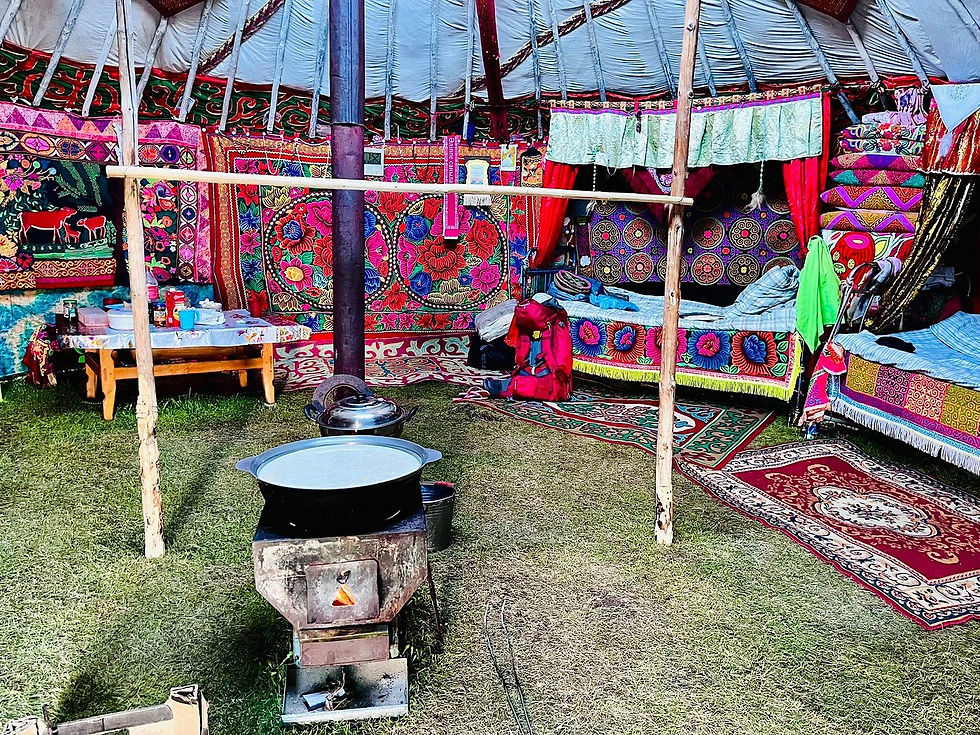
A traditional Mongolian ger is perfectly aerodynamic, highly insulated, and entirely portable. It consists of a collapsible wooden lattice wall frame (khana), roof rafters (uni), a central crown or skylight (toono), and two heavy wooden pillars (bagana) supporting the center. The entire structure is wrapped in thick layers of sheep’s wool felt and covered with durable white canvas.
For a herder family, a ger is not just a tent; it is a sacred space governed by centuries of tradition and ancestral beliefs. A seasoned nomadic family can completely dismantle or assemble their entire home in less than two hours when it is time to migrate with their livestock to new seasonal pastures. Living the Nomad Way: An Authentic Ger Stay Experience with Nomadic Herders in Mongolia.
A Day in the Life: Your Nomadic Homestay Experience
When you book a Mongolia tour that features a genuine family homestay, you are stepping directly into the daily rhythm of a working homestead.
Nomadic life is dictated entirely by the sun and the needs of the animals. While your hosts will never expect you to do a full day of hard labor, they warmly welcome your curiosity, hands-on assistance, and shared stories.
The Morning Rhythm
Your day typically begins as the fire in your ger’s central wood-burning stove starts to crackle—often lit quietly by your host before you even open your eyes. The comforting smell of fresh smoke and brewing suutei tsai (traditional Mongolian milk tea) fills the air.
Morning is the busiest time on the steppe. The women milk the cows, mares, or goats, while the men prepare to take the herds out to pasture. You can try your hand at milking livestock, a task that looks deceptively easy until you try it yourself.
Afternoon Exploration and Heritage
Once the herds are out grazing, the afternoon settles into a steadier pace. This is the perfect time for deep cultural immersion. You might help the family gather dried animal dung (the primary eco-friendly fuel used for heating and cooking on the treeless steppes) or assist in making traditional dairy products like aaruul (hard, sun-dried curd).
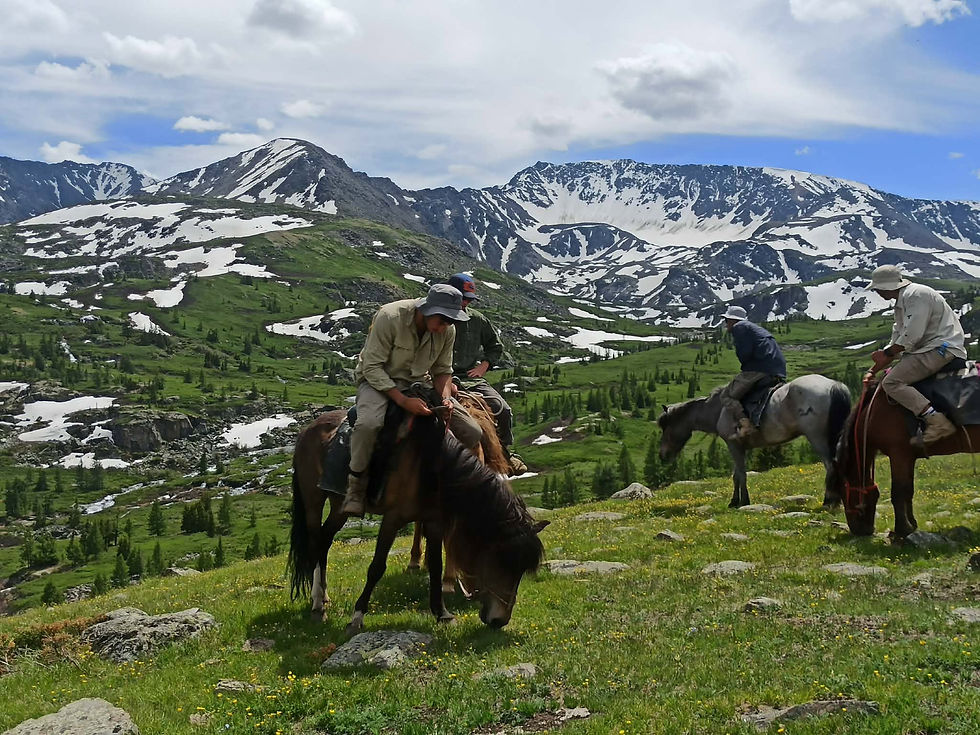
For hikers and adventure seekers, afternoons are also meant for exploring. Whether it is horseback riding across wide-open valleys, hiking up nearby ridges for breathtaking landscape photography, or learning the basics of traditional archery, the landscape is your playground.
Evening Feasts and Stargazing
As the sun begins to dip, creating a dramatic golden-hour silhouette across the valley, the herds return home. The evening meal is a communal affair cooked inside the family ger.
After dinner, step outside for the real magic. Far from the light pollution of modern cities, the Mongolian night sky transforms into a brilliant, crystal-clear canopy of stars, with the Milky Way cutting a vivid path directly overhead.
Culinary Heritage: Eating Like a Nomad
Mongolian cuisine is a direct reflection of the nomadic lifestyle—hearty, warming, and deeply tied to the "five animals" (horses, cattle/yaks, sheep, goats, and camels).
During your authentic ger stay, you will taste homemade staples that define steppe hospitality:
Suutei Tsai: A savory beverage made from water, black tea leaves, milk, and a pinch of salt. It is the universal sign of welcome; you will be handed a hot bowl the moment you step inside.
Khorkhog: The famous "Mongolian barbecue," made by cooking chunks of mutton or goat inside a sealed container alongside red-hot stones gathered from local riverbeds. The stones sear the meat from the inside out, creating an incredibly tender dish.
Buuz: Steamed dumplings packed with minced, seasoned mutton and onions, traditionally eaten by hand.
Airag: Fermented mare’s milk, a seasonal summer delicacy that is slightly sour, fizzy, and mildly alcoholic.
Vital Cultural Etiquette: How to Be a Respectful Guest
Hospitality is a survival trait on the steppe. Nomads will welcome unexpected travelers into their homes without hesitation. In return, guests are expected to respect a few simple, ancient rules of etiquette (yos):
Never step on the threshold: The wooden beam at the bottom of the ger door represents the neck of the home. Stepping on it is considered bad luck and disrespectful to the family.
Step in with your right foot: Walk into the ger cleanly, and never lean against the doorframe or the central support pillars.
Move clockwise: When entering, walk to the left (the guest’s side). The right side is typically the family’s working and kitchen area.
Accept gifts with both hands: When handed a bowl of tea or food, accept it with your right hand, supporting your right elbow with your left hand. Taste it before putting it down to show appreciation.
Respect the fire: Do not throw trash, plastic, or organic waste into the central stove. Fire is considered sacred in Mongolian culture.
Practical Travel Information for Your Trip
Best Time to Visit
The optimal window for a ger stay in Mongolia runs from late May to mid-September. July brings the vibrant celebrations of the nationwide Naadam Festival, while September offers golden autumn landscapes and crisp, cool hiking weather.
What to Pack
The weather on the high Mongolian plateau can shift rapidly. It is common to experience multiple seasons in a single day.
Layers: High-quality thermal base layers, a warm fleece, and a windproof outer shell.
Footwear: Sturdy, broken-in hiking boots for walking on uneven terrain and riding horses.
Headlamp: Crucial for navigating your way to the outdoor toilet under pitch-black starry skies.
Power Banks: True nomadic families rely on small solar panels, so bring reliable portable chargers for your camera and phone.
Small Gifts: Bringing a small token of appreciation for your hosts is a thoughtful gesture. Good ideas include headlamps, pocket knives, colored pencils for children, or specialty sweets from your home country.
Experience the Unforgettable with Vacations Mongolia
Navigating the vast, roadless expanses of the country to find genuine herder families requires profound local expertise and deep-rooted community relationships. That is where we come in.
As an experienced local tour operator, Vacations Mongolia coordinates small-group and fully customized expeditions that respect local communities, preserve nomadic traditions, and deliver the adventure of a lifetime. We bridge the gap between raw adventure and seamless travel logistics, taking care of private 4x4 transportation, expert local guides, and curated cultural encounters.
Let us introduce you to our friends on the steppe.
To start designing your custom itinerary, explore our travel options on our website or contact our team directly:
Official Website: www.vacationsmongolia.comDirect Phone / WhatsApp: +976 99908111 Email: vacations.mgl@gmail.com
1. Can I stay with a nomadic family in Mongolia?
Yes. Many tours offer authentic homestays where travelers live with nomadic families and experience daily life firsthand.
2. What is it like to stay in a traditional Mongolian ger?
A ger stay offers simple comfort, traditional hospitality, local food, and a unique connection to Mongolia's nomadic culture.
3. Is a ger stay worth it in Mongolia?
Absolutely. A ger stay is one of the most authentic and memorable experiences for visitors to Mongolia.
4. What do Mongolian nomads do every day?
Nomadic families care for livestock, produce dairy products, move seasonally, and maintain traditions passed down through generations.
5. Can tourists help with daily nomadic activities?
Yes. Visitors can often help milk animals, herd livestock, prepare meals, and learn traditional skills.
6. What food will I eat during a nomadic family stay?
Meals often include homemade dairy products, meat dishes, traditional noodles, dumplings, and milk tea.
7. How do Mongolian nomads live today?
Many families continue traditional herding lifestyles while also using modern technology such as solar panels and mobile phones.
8. What cultural etiquette should I follow when visiting a nomadic family?
Respect household customs, accept hospitality graciously, avoid stepping on the threshold, and follow your host's guidance.
9. Is a nomadic homestay suitable for families with children?
Yes. Children often enjoy interacting with animals, learning about nomadic life, and exploring Mongolia's open landscapes.
10. What should I pack for a nomadic ger stay?
Bring comfortable outdoor clothing, layers for changing weather, toiletries, a flashlight, and a power bank.
11. How many nights should I spend with a nomadic family?
Two to three nights is ideal for experiencing daily life, cultural traditions, and meaningful interactions.
12. Can I go horseback riding during a nomadic family stay?
Yes. Many nomadic experiences include horseback riding through grasslands, valleys, and mountain landscapes.
13. What is the best Mongolia tour for authentic nomadic experiences?
Tours that combine ger stays, local family visits, horseback riding, and cultural activities offer the most immersive experience.
14. Which Mongolia tour company offers genuine nomadic homestays?
Look for locally operated companies that work directly with herding families and support community-based tourism.
15. Can I customize a Mongolia cultural tour with a ger stay?
Yes. Many tour operators can tailor itineraries to include longer stays with nomadic families and cultural experiences.
16. Is a ger stay better than staying in a tourist ger camp?
A nomadic family ger stay offers deeper cultural immersion, while tourist ger camps provide more comfort and amenities.
17. What is the best time to experience nomadic life in Mongolia?
Summer, from June to September, is the most popular season due to pleasant weather and active pastoral life.
18. Can I combine a nomadic homestay with the Gobi Desert or Altai Mountains?
Yes. Many itineraries combine cultural experiences with visits to the Gobi Desert, Khuvsgul Lake, or the Altai Mountains.
19. How can tourists support local nomadic communities?
Choose locally operated tours, buy local products, respect traditions, and participate in responsible tourism practices.
20. Why is a nomadic ger stay one of the best cultural experiences in Mongolia?
It allows travelers to experience authentic hospitality, learn traditional customs, and gain a deeper understanding of Mongolia's living nomadic heritage.


Comments