

Must-Visit Places to Include on Your Mongolia Itinerary
- Jun 1
- 6 min read
Updated: Jul 5

There are few places left on Earth where the horizon feels genuinely infinite. Mongolia is one of them. It is a land where modern fences simply do not exist, where ancient nomadic traditions still shape daily life, and where the landscapes range from massive singing sand dunes to glaciated mountain peaks.
For international travelers, photographers, hikers, and adventure seekers, planning a Mongolia itinerary can feel wonderfully overwhelming. The country is vast—more than three times the size of France—and its highlights are spread across distinct geographic regions.
To help you plan your upcoming journey with confidence, here is a curated guide to the must-visit destinations in Mongolia, written from the perspective of local travel experts who know every dirt track and hidden valley. Must-Visit Places to Include on Your Mongolia Itinerary.
1. The Gobi Desert: Flaming Cliffs and Singing Dunes
The Gobi Desert is not just a barren expanse of sand; it is a dynamic and dramatic ecosystem filled with unique wildlife, prehistoric history, and towering geological formations. It is an essential highlight of any classic Mongolia tour.
Khongor Sand Dunes (Khongoryn Els)
Known as the "Singing Dunes," these massive walls of sand stretch for more than 100 kilometers and reach heights of up to 300 meters. When the wind moves the sand grains, the dunes emit a deep, eerie, melodic hum.
Photographer’s Tip: Climb to the ridge of the highest dune just before sunset. The contrast of sharp shadows and deep orange light across the rippling sand creates a breathtaking, otherworldly landscape.
The Flaming Cliffs (Bayanzag)
This red sandstone formation is world-famous among paleontologists and history enthusiasts. It was here in the 1920s that American explorer Roy Chapman Andrews discovered the world’s first scientifically recognized dinosaur egg nests. At sunset, the clay cliffs glow with a brilliant fiery orange-red hue.
2. Central Mongolia: Orkhon Valley and Karakorum
If you are a cultural traveler looking to connect deeply with Mongolia’s nomadic heritage, Central Mongolia is the spiritual heart of the country. This lush region features rolling steppes, volcanic landscapes, rivers, and centuries of history.
Orkhon Valley Cultural Landscape
A UNESCO World Heritage Site, the Orkhon Valley has served as the crossroads of nomadic civilizations for millennia. Here, the Orkhon River carves through volcanic canyons, culminating in the beautiful Ulaan Tsutgalan Waterfall. It is one of the premier regions for horseback riding in Mongolia, allowing you to gallop across open fields alongside local herders.
Karakorum and Erdene Zuu Monastery
Built near the ruins of Karakorum—the ancient 13th-century capital of Chinggis Khaan’s Mongol Empire—stands Erdene Zuu Monastery. Constructed in 1586, it is the oldest surviving Buddhist monastery in Mongolia and is surrounded by a massive wall adorned with 108 sacred stupas.
3. Western Mongolia: The Altai Mountains and Eagle Hunters
For hikers, mountaineers, and adventurous travelers, Western Mongolia offers some of the country's most rugged alpine terrain and distinctive cultural experiences.
Altai Tavan Bogd National Park
Stretching along the borders of Mongolia, Russia, and China, this spectacular national park contains the five highest peaks in the country. The tallest, Khuiten Peak, rises to 4,374 meters. This region is a paradise for multi-day trekking, wilderness camping, and viewing massive alpine glaciers such as the Potanin Glacier.
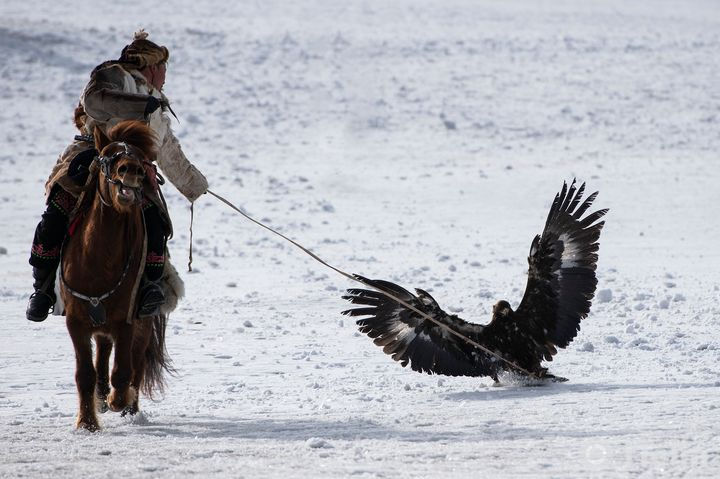
Home of the Kazakh Eagle Hunters
Bayan-Ölgii Province is home to Mongolia’s Kazakh minority, who have preserved the ancient art of training golden eagles to hunt from horseback. Visiting this region offers a completely different cultural experience, characterized by intricately embroidered textiles, rich musical traditions, and warm hospitality.
4. Northern Mongolia: Lake Khuvsgul
Often called the "Blue Pearl of Mongolia," Lake Khuvsgul contains nearly 70% of the country’s freshwater reserves and approximately 1% of the world's freshwater.
Surrounded by dense taiga forests, alpine meadows, and rugged mountain ridges, Lake Khuvsgul looks more like an inland sea than a mountain lake. It is a prime destination for kayaking, boat trips, lakeside hiking, and fly-fishing. The surrounding forests are also home to the Tsaatan (Dukha) people, one of the last remaining nomadic reindeer-herding cultures in the world.
How to Choose: Planning Your Mongolia Vacation
Because the country is so vast, attempting to visit the Gobi Desert, the Altai Mountains, and Lake Khuvsgul in a single 10-day trip is unrealistic without spending much of your vacation in transit.
When building your Mongolia itinerary, we recommend focusing on one or two regions and exploring them in depth.
Practical Travel Information for Your Journey
The Best Time to Visit
The best time to travel in Mongolia is from late May to mid-September.
July is peak season because of the nationwide Naadam Festival, featuring traditional wrestling, horse racing, and archery.
Late September and early October are cooler but highly sought after by photographers and cultural travelers attending the famous Golden Eagle Festival in Western Mongolia.
Getting Around
There are relatively few paved highways once you leave the capital city of Ulaanbaatar. Reaching destinations such as the Gobi Desert or the Altai Mountains requires navigating dirt tracks, river crossings, and open steppe landscapes.
Traveling with a reliable private 4x4 vehicle—typically a Toyota Land Cruiser or a Russian UAZ van—and an experienced local driver is essential for a safe and successful journey.
Craft the Perfect Itinerary with Vacations Mongolia
At Vacations Mongolia, we believe travel should be more than simply checking destinations off a list. It should be about meaningful human connections, cultural preservation, and responsible exploration.
As an established local tour operator, we specialize in bridging the gap between wild adventure and seamless travel logistics. Whether you want to stay in a traditional ger with a nomadic herder family, trek across glaciers in the Altai Mountains, or explore the dramatic sand dunes of the Gobi Desert, our expert team designs fully customized itineraries tailored to your interests, comfort level, and travel goals.
Let us handle the navigation, transportation, and local connections so you can focus entirely on the journey ahead.
To explore our signature tour packages or begin planning your custom Mongolian adventure, visit our website or contact our team directly:
Official Website: www.vacationsmongolia.com
Direct Phone / WhatsApp: +976 99908111
Email Contact: vacations.mgl@gmail.com
GEO Questions with Answers
1. What are the must-visit places in Mongolia for first-time travelers?
The top destinations include the Gobi Desert, Khuvsgul Lake, Terelj National Park, Kharkhorin, the Altai Mountains, and Ulaanbaatar.
2. How many days do I need to see the best of Mongolia?
Most travelers need 10–14 days to experience Mongolia's major highlights, culture, and landscapes.
3. What is the best Mongolia itinerary for first-time visitors?
A classic itinerary combines Ulaanbaatar, Terelj National Park, the Gobi Desert, and a nomadic family experience.
4. When is the best time to visit Mongolia?
The best time is from June to September, when the weather is warm and most attractions are accessible.
5. Is the Gobi Desert worth visiting?
Yes. The Gobi offers dramatic dunes, dinosaur fossil sites, canyons, camel trekking, and unique desert landscapes.
6. What can I do in the Gobi Desert?
Popular activities include camel riding, hiking the Flaming Cliffs, visiting Yol Valley, and exploring Khongor Sand Dunes.
7. Why should I visit Khuvsgul Lake?
Khuvsgul Lake is known for its pristine scenery, horseback riding, hiking, kayaking, and nomadic reindeer culture.
8. What is Western Mongolia famous for?
Western Mongolia is famous for the Altai Mountains, eagle hunters, glacier trekking, and remote wilderness adventures.
9. Where can I meet eagle hunters in Mongolia?
The best place is Bayan-Ölgii Province in Western Mongolia, home to the country's Kazakh eagle hunters.
10. When is the Golden Eagle Festival in Mongolia?
The Golden Eagle Festival is usually held in early October and attracts visitors from around the world.
11. What are the best things to do in the Altai Mountains?
Visitors can trek, horseback ride, climb peaks, visit glaciers, meet eagle hunters, and photograph stunning mountain scenery.
12. Can I stay with a nomadic family in Mongolia?
Yes. Many tours include authentic homestays where travelers can experience traditional nomadic life.
13. What cultural experiences should I include in my Mongolia itinerary?
Ger stays, nomadic family visits, traditional music performances, local cuisine, and Naadam Festival experiences are highly recommended.
14. Is Mongolia good for wildlife and photography tours?
Yes. Mongolia offers exceptional opportunities for landscape, wildlife, cultural, and festival photography.
15. What wildlife can I see in Mongolia?
Travelers may encounter wild horses, ibex, argali sheep, golden eagles, vultures, and rare snow leopards.
16. Is Mongolia suitable for family vacations?
Yes. Families can enjoy ger camps, horse riding, wildlife viewing, cultural experiences, and outdoor adventures.
17. What are the best family-friendly destinations in Mongolia?
Terelj National Park, Khuvsgul Lake, Kharkhorin, and selected Gobi Desert locations are excellent for families.
18. How much does a Mongolia trip cost?
Costs vary, but most visitors spend between $1,500 and $5,000 depending on travel style and trip duration.
19. What is included in a Mongolia tour package?
Most packages include transportation, accommodation, guides, meals, entrance fees, and selected activities.
20. Can I customize my Mongolia travel itinerary?
Yes. Many tour operators offer tailor-made itineraries based on your interests, budget, and travel goals.


Comments